Among the main strategies are permanent campaigns of free sterilization. Over the past five years, more than 135,000 procedures have been carried out, which is estimated to have prevented the birth of nearly 2 million puppies that could have ended up on the streets.
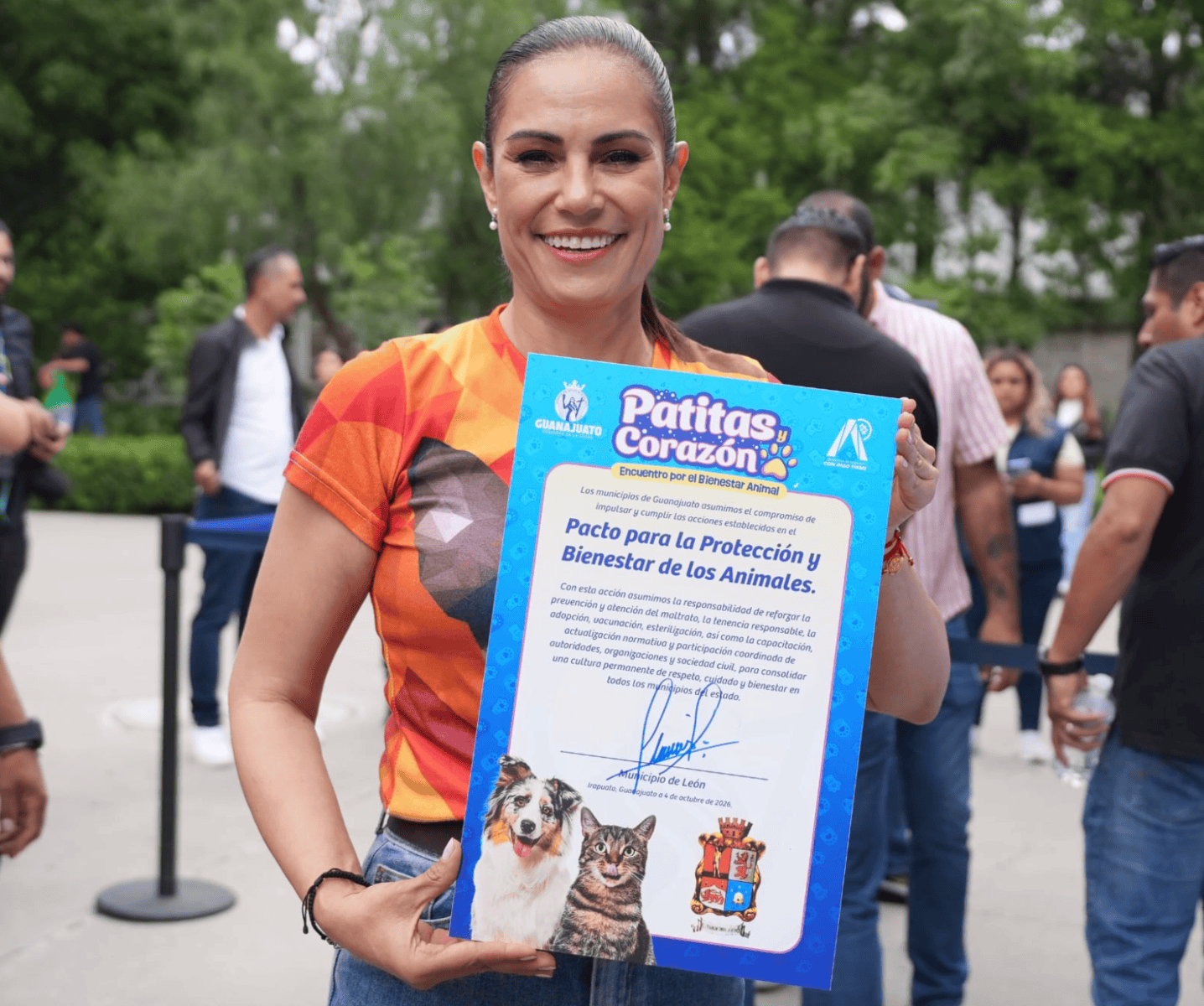
The municipal president, Ale Gutiérrez, emphasized that animal protection requires the commitment of both authorities and the public, as well as a greater awareness of the responsibility that comes with owning a pet.
During his participation in the meeting on animal welfare “Patitas en el Corazón”, he pointed out that animals require care, food, attention and appropriate conditions to live a dignified life.
VETERINARY CARE WITHIN REACH OF FAMILIES
Another project that has strengthened the municipal strategy is the León 450 Pet Hospital, an initiative that emerged from citizen proposals through Participa León.
In five years, this space has provided more than 34,383 veterinary consultations, as well as specialized studies, X-rays, and emergency care.
The hospital has a model that allows families to contribute through socio-economic studies, making it possible for people with different financial means to access specialized veterinary services.
In addition, it has equipment to treat fractures, trauma and more complex cases, as well as the region's first specialized veterinary CT scanner.
ACTIONS TO PREVENT DISEASES AND ABANDONMENT
As part of animal health policies, León also provides free treatment for scabies.
Over the past five years, more than 4,533 treatments have been provided, allowing for the timely treatment of this condition and supporting families that do not have sufficient resources to cover the costs of care.
These actions are complemented by sterilization campaigns, which aim to reduce uncontrolled reproduction and prevent more dogs and cats from ending up living on the streets.
ANIMAL PROTECTION EXTENDS TO DOGS AND CATS
Municipal actions also include the care of wildlife.
Through Civil Protection, care and protection is provided for animals such as crocodiles, snakes, deer and birds, among other species. Once they receive care and are in suitable conditions, they are reintegrated into their environment.
A program is also being developed in rural communities through which horses, donkeys, mules, and ponies used for labor tasks can be exchanged for motorcycles and equipment.
The goal is to offer alternatives to families while gradually phasing out these animals from cargo operations.
RETIREMENT APPROPRIATE FOR SERVICE ANIMALS
The animal welfare strategy also includes the animals that for years have been part of municipal corporations.
León pushed for modifications that allow K9 units' dogs and mounted police's horses to be adopted after their service life ends.
Previously, these animals were legally considered property, which made it difficult for them to be handed over to a family after their retirement.
With the changes made, they can now access retirement and adoption schemes to continue their lives in suitable conditions after having participated for years in security and public protection duties.
With prevention campaigns, veterinary services, wildlife rescue, and programs for service and working animals, León maintains an integrated policy that seeks to expand protection and improve the living conditions of the various species that make up the municipality.