Today October 1st, National Day of the Architect in Mexico, We propose that you discover the city in a different way: by observing its shapes, materials, facades, and details.
From constructions whose origins date back to the colonial era to contemporary cultural spaces, architecture allows us to explore different moments of a city that this year celebrates 450 years since its foundation.
Prepare the camera and, above all, remember to look up.
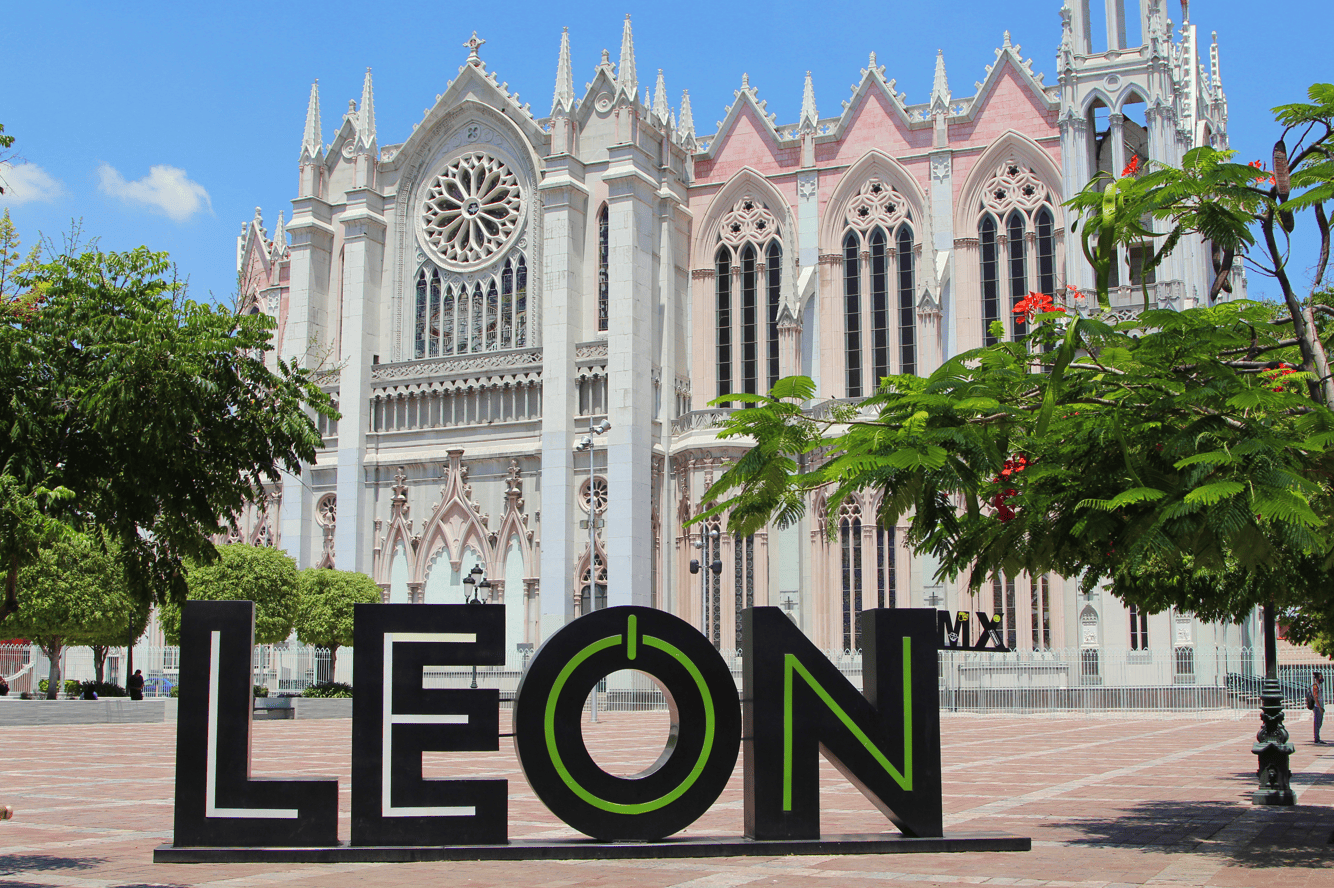
A neo-Gothic giant in the heart of León: Temple of Expiation
There are buildings that can be recognized with just a glance at their silhouette, and the Diocesan Expiatory Temple of the Sacred Heart of Jesus is one of them.
Its construction began in 1921 and lasted for almost nine decades until it was completed in 2009. The National Institute of Anthropology and History recognizes it as one of the main exponents of Neo-Gothic architecture in Mexico.
The towers that emphasize their verticality, pointed arches, tracery, ornamentation in stone and large stained-glass windows make visiting it a visual experience as well.
Pay special attention to its facade and then enter: the light that passes through its stained-glass windows completely transforms the interior space.
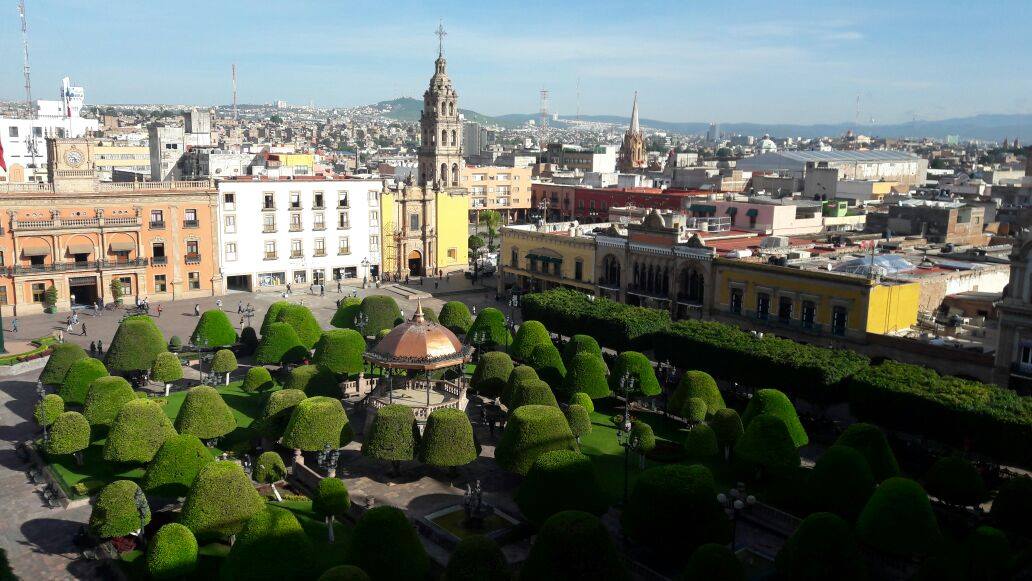
Stories that walk again through the Historical Center
If there is a perfect season to listen to a good legend, it is definitely this one.
From October 10 to November 8, 2026, Corazón de León Foro Cultural, located on Hermanos Aldama Street in the heart of the Historic Center, will hold its First Day of the Dead Theater Festival.
The programming will bring together different groups with works related to Day of the Dead and themes of suspense, mystery, legends, poetry and children's proposals.
It is an opportunity to experience the season from the stage and, in the meantime, to stroll through the streets of the Historic Center in the afternoon or evening.
Because there are stories that are read… and others that seem to come to life when the sun sets.
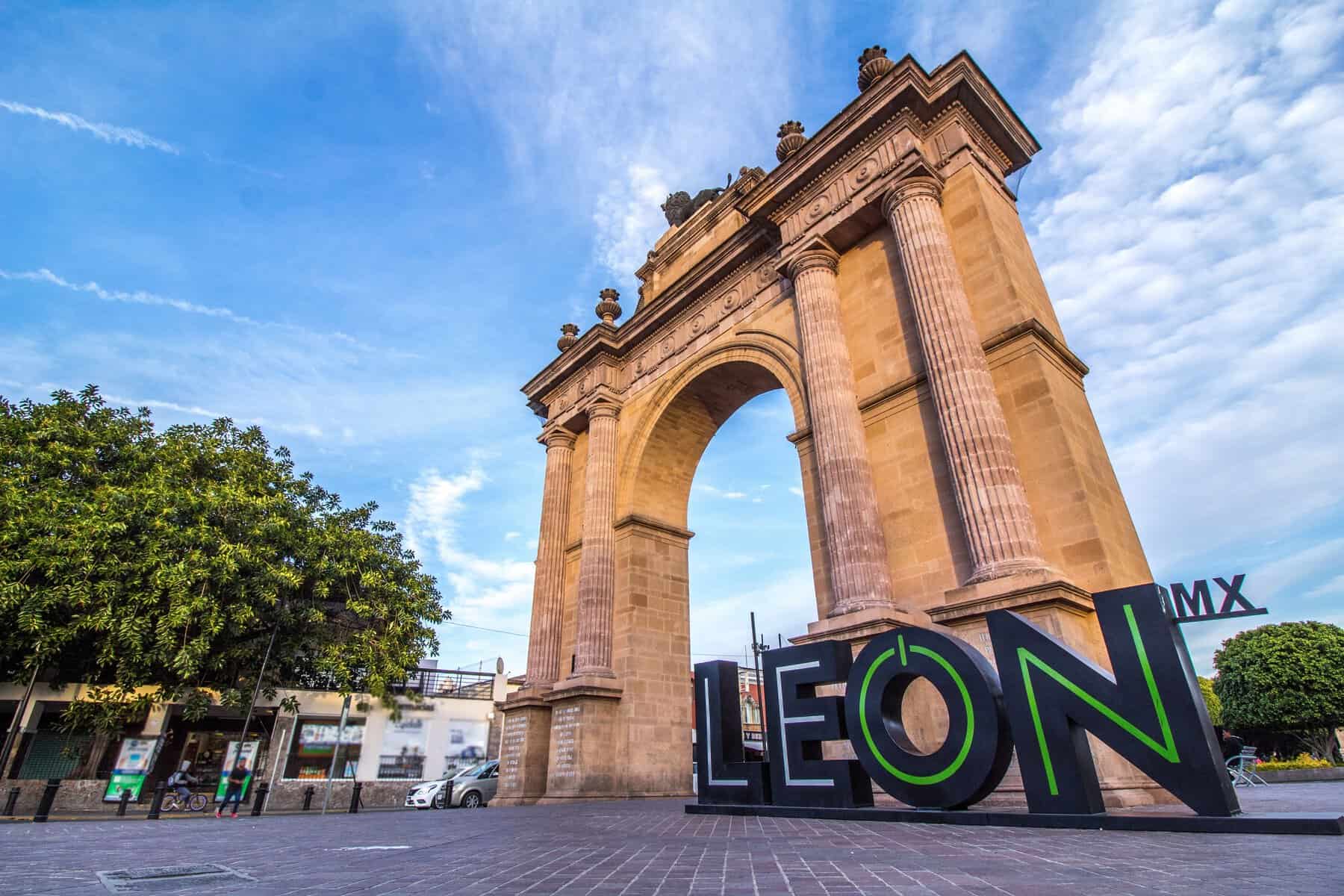
The postcard announcing that you are in León: Arco de la Calzada
If there is one image that immediately brings to mind León, it is the Arch of Triumph on the Calzada de los Héroes.
It was created in 1893 to commemorate the anniversary of Mexico's independence and features a neoclassical design with Doric-order columns.
At its top is the sculpture of a bronze lion, the work of Humberto Peraza.
But here the experience does not end at the monument: the Arch is part of the traditional Calzada de los Héroes, a promenade whose origins date back to 1838.
Any advice? Visit this area when the evening begins to fall. You’ll understand why it’s one of the most photographed corners of León.
Centuries and styles under one roof: Metropolitan Cathedral
In the Historical Center, another of the great protagonists of the urban landscape of León awaits: the Metropolitan Basilica of the Most Holy Mother of Light.
Construction was initiated by the Jesuits in 1744 and its architecture allows for the discovery of different styles in a single complex.
Its exterior is a neoclassical work of Doric order, while inside there are surprises such as the Chapel of San José, in Neo-Mudéjar style, and the monumental Chapel of Cristo Rey, in Art Deco style.
Here it is worth doing more than just taking a photograph of the facade: go inside and look for the details.

Classics of the 19th century: Teatro Manuel Doblado
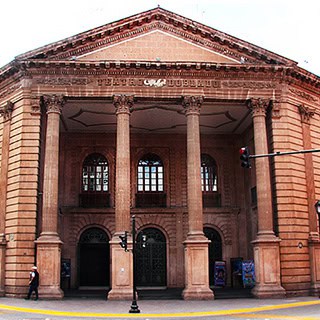
Four large columns announce one of the most representative cultural sites in León.
The project for the Manuel Doblado Theatre began in 1869 under the direction of architect José Noriega and was inaugurated on September 15, 1880.
Although the property has undergone various transformations throughout its history, it still retains its original neoclassical facade.
Its location, at the corner of Pedro Moreno and Hermanos Aldama, also makes it a perfect stop during a walk through the Historic Center.
Stand in front of it and observe it completely before approaching. The columns, the frieze and the symmetry do the rest.
A palace that has transformed the city
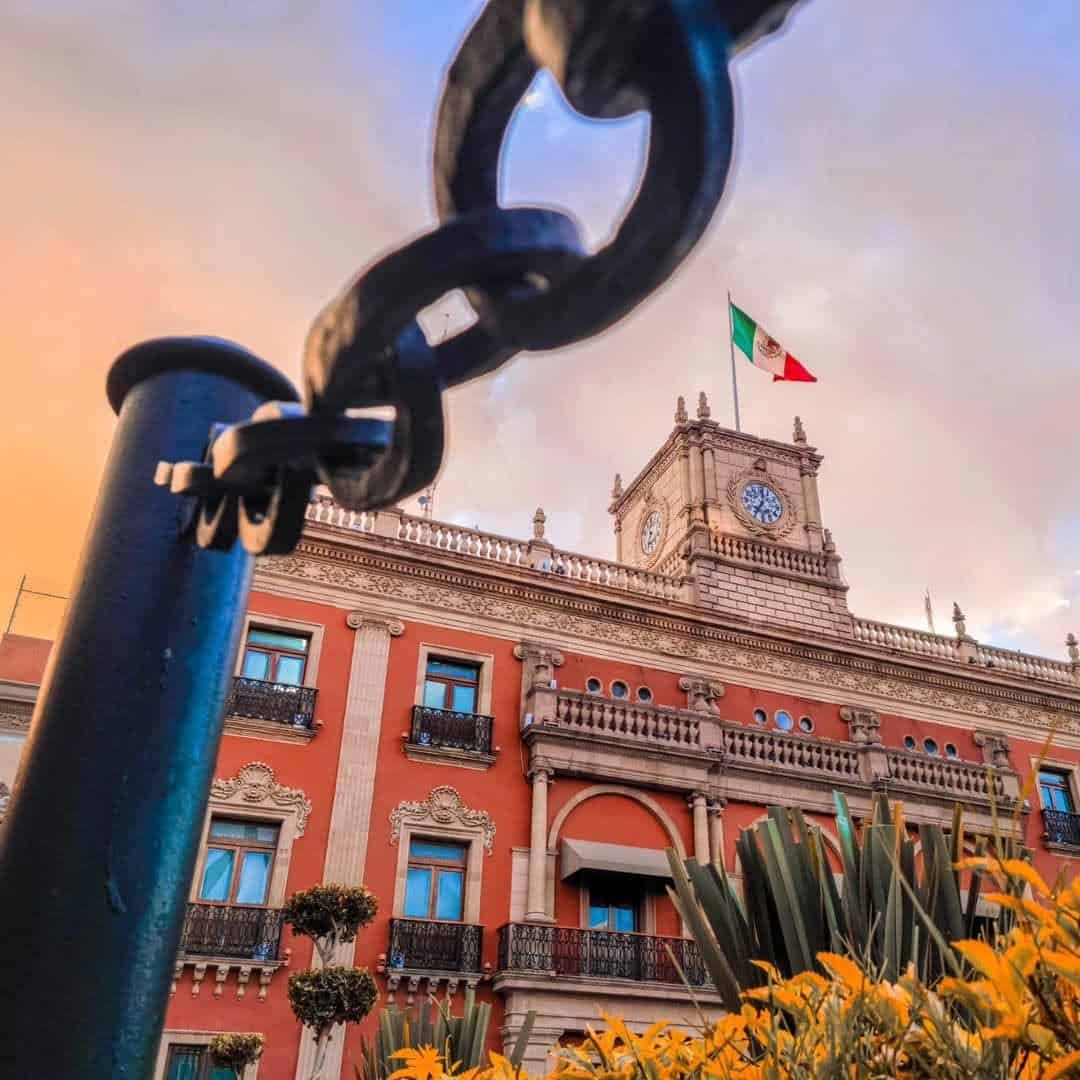
In the Main Square is the Municipal Palace, a building whose own history summarizes the different stages of León.
The building belongs to the neoclassical style and its facade features pilasters with Ionic capitals, semicircular arches, balconies and a composition arranged on three levels.
The estate was rebuilt and adapted between 1868 and 1869 to become the seat of the Municipal Government, a function that it retains to this day.
And the visit continues inside.
Its main courtyard and the murals created by the León-based artist Jesús Gallardo turn this space into a meeting point between architecture, art, and history.
An old building that now holds identities
A few blocks away is a building that demonstrates how architecture can be transformed without erasing its memory.
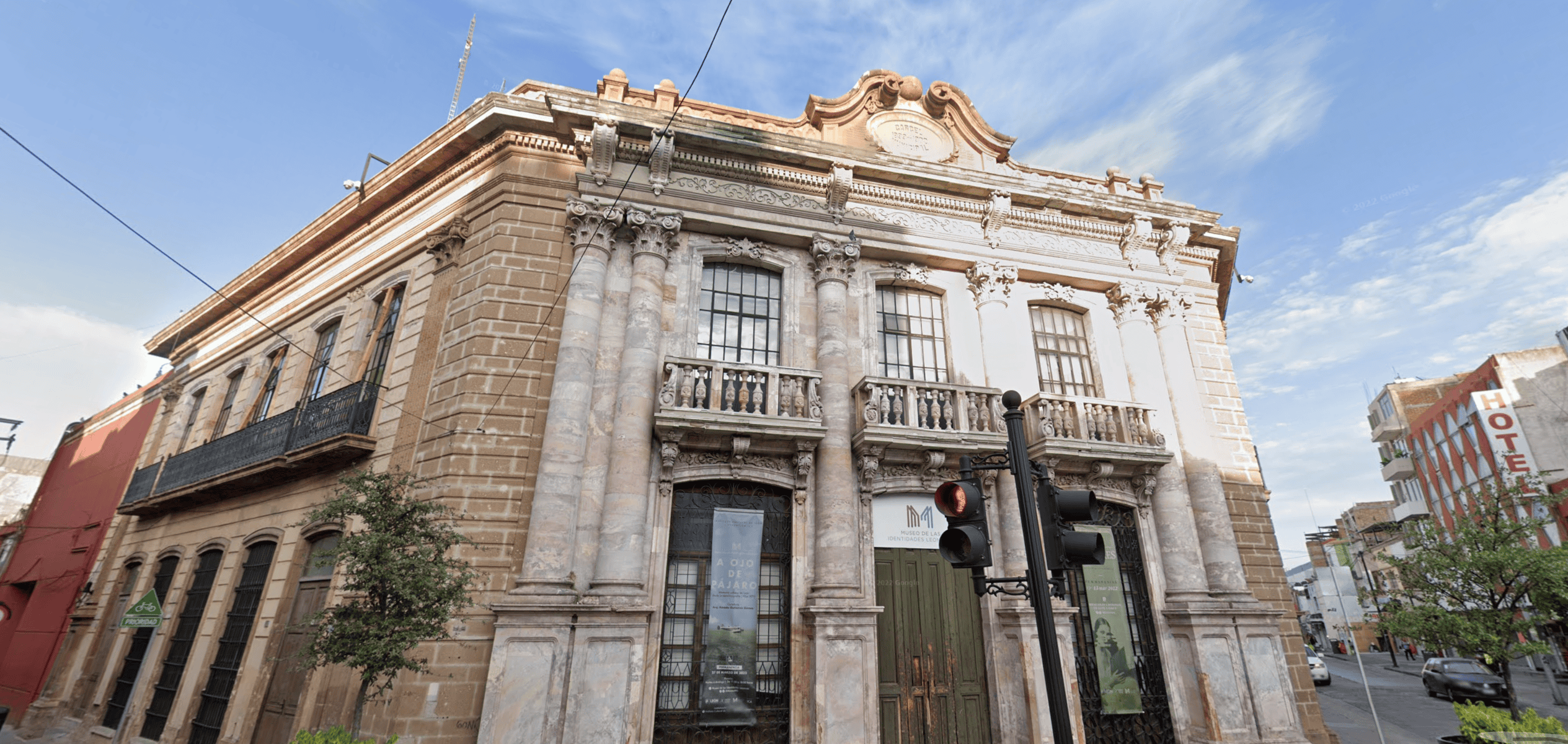
The current Museum of León Identities occupies the former Municipal Prison and is considered by the León Cultural Institute to be one of the most iconic historical buildings in the city.
Its neoclassical architecture and its facade clad in limestone form part of its appeal, but knowing the interior also allows us to understand the different uses the building has had over time.
Today is a space dedicated to reflecting on the heritage and identities of León.
And there is a perfect coincidence for visiting it this year: precisely on October 1, 2026, it inaugurates its new permanent exhibition, “Identities: memory and heritage”.
More than 200 years behind these walls: Plaza de Gallos
There are buildings that seem to have had several lives.
The earliest records of Plaza de Gallos date back to 1798. Throughout its history, the property has been associated with cockfighting, shows, bullfighting activities, and even educational uses.
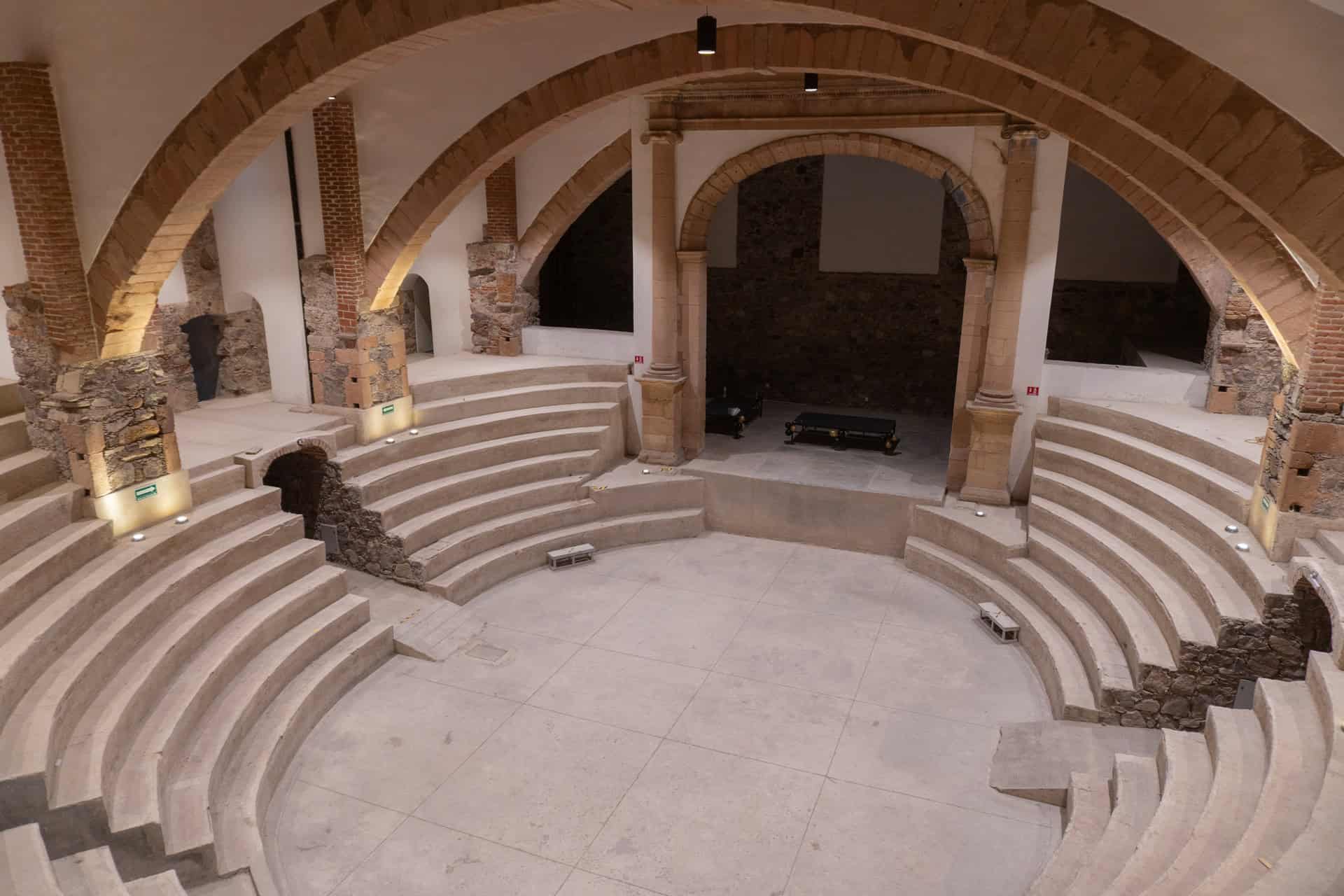
The complex is made up of different spaces. Among them are a main courtyard surrounded by arches on its two floors and the old rotunda, currently adapted to host artistic activities.
Walking through Plaza de Gallos is to see architecture that has changed its function without ceasing to be part of León's cultural life.
The house where architecture, horology and astronomy met
When talking about architecture in León, there is one name that inevitably comes up: Luis Long.
The architect and clockmaker of English origin arrived in León in 1877 and left a deep mark on the city's image.
His own residence, now known as Casa Luis Long, allows visitors to get closer to that legacy.
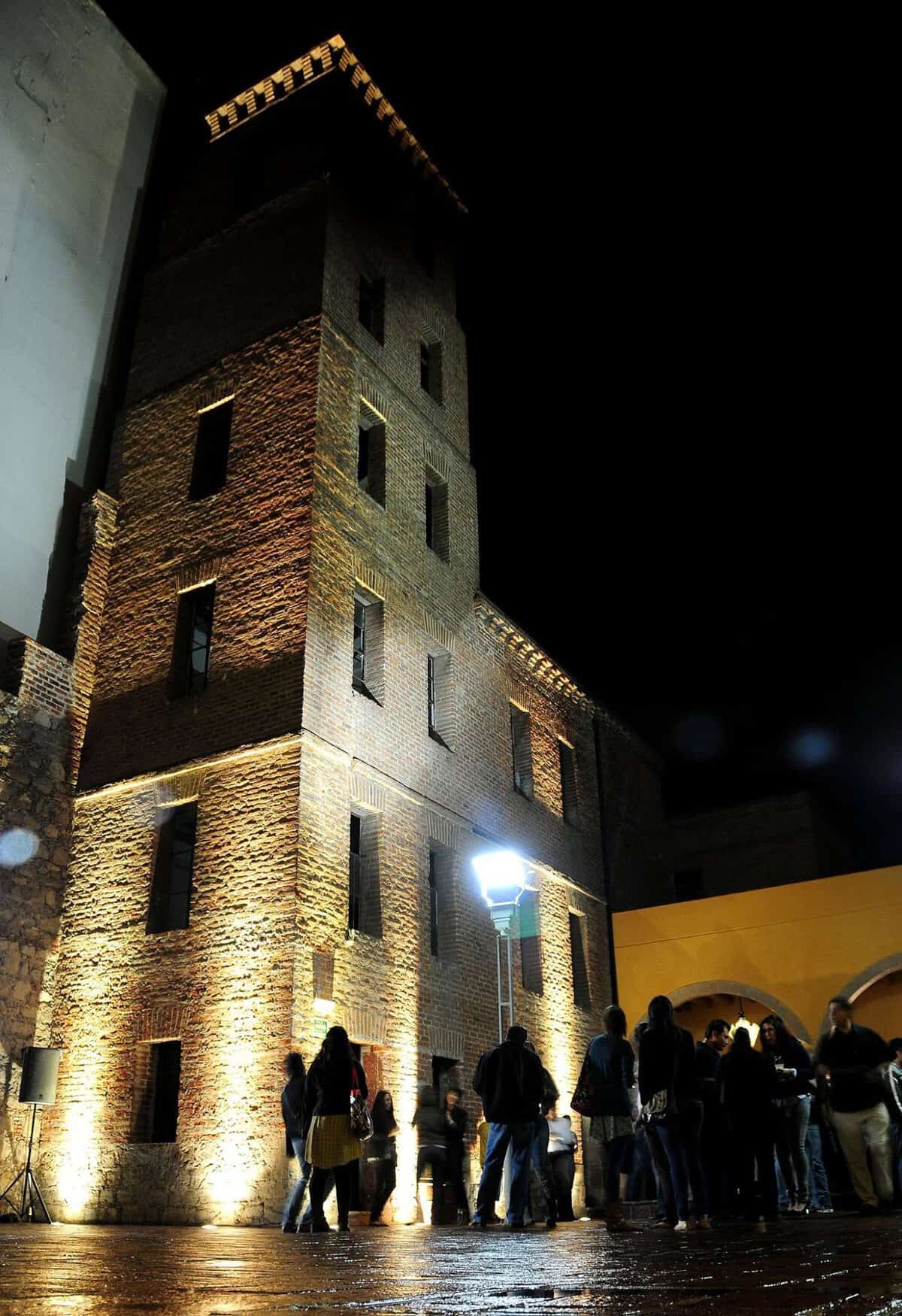
The property was built in the 19th century and Long began its reconstruction in 1907. It features two courtyards surrounded by semicircular arches and columns with Ionic capitals, as well as a peculiar tower that housed rooms, workshops, and spaces from which it carried out activities related to astronomy and meteorology.
Currently, the house is home to the León School of Music.
From historical to contemporary León: Forum Cultural Guanajuato
To finish the tour, it is worth changing the season completely.
The Forum Cultural Guanajuato allows us to observe another stage of León’s architecture: that of a contemporary city that created new spaces for art and culture.
The complex covers around nine hectares and is organized through plazas and public spaces. One of its first buildings was the Wigberto Jiménez Moreno State Central Library, designed by architect Didi Pei and inaugurated in 2006.
Currently, the complex also includes spaces such as the Guanajuato Museum of Art and History and the Roberto Plasencia Saldaña Bicentennial Theater.
It is a great place to end this journey: after exploring centuries of quarries, temples, courtyards, and historical buildings, here the lines and open spaces reveal another side of León.

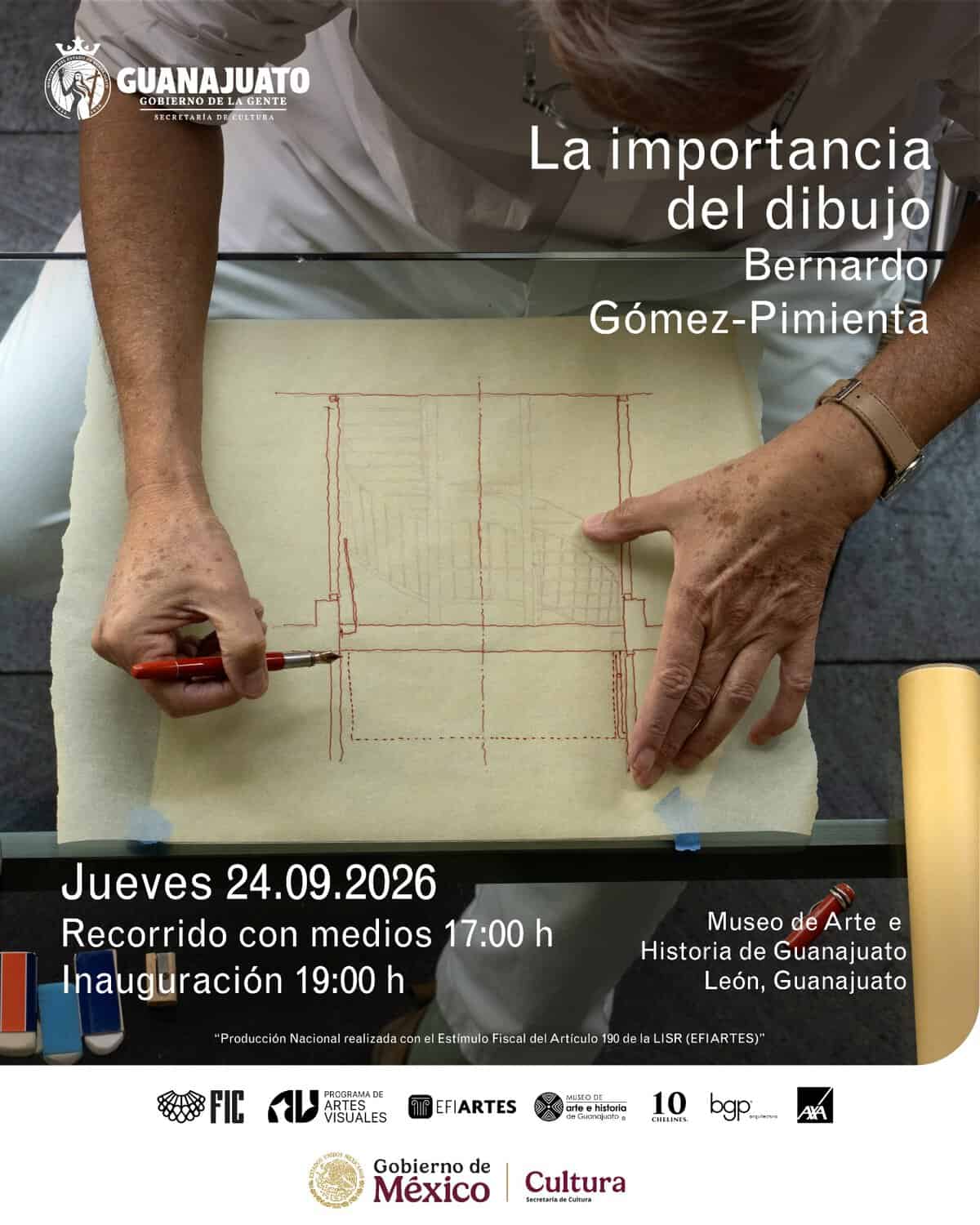
And this October, architecture also arrives at the museum
There is an extra reason to take this route during October 2026.
The Guanajuato Museum of Art and History presents the exhibition “The Importance of Drawing: Bernardo Gómez-Pimienta”, a showcase dedicated to the work of one of the most recognized Mexican architects and designers.
Drawings, plans, models, furniture and travel notebooks allow us to discover something that normally remains hidden: everything that happens between a first idea and a finished work.
The exhibition opened on September 24, 2026 and will remain open until March 28, 2027.
A stop especially appropriate to celebrate National Architect's Day.
The next time you visit León, change your perspective for a moment and see the city in a new way.Observe a column, follow the shape of an arch, look for the hidden figures in a facade, or discover how the light changes as you pass through a stained glass window.In just a few kilometers you can go from the Baroque to the Neoclassical style, from the Neo-Gothic to contemporary architecture, and through its buildings, explore different chapters of 450 years of history.Because León is also known that way: by walking, observing, and discovering the stories that remain written in its architecture.