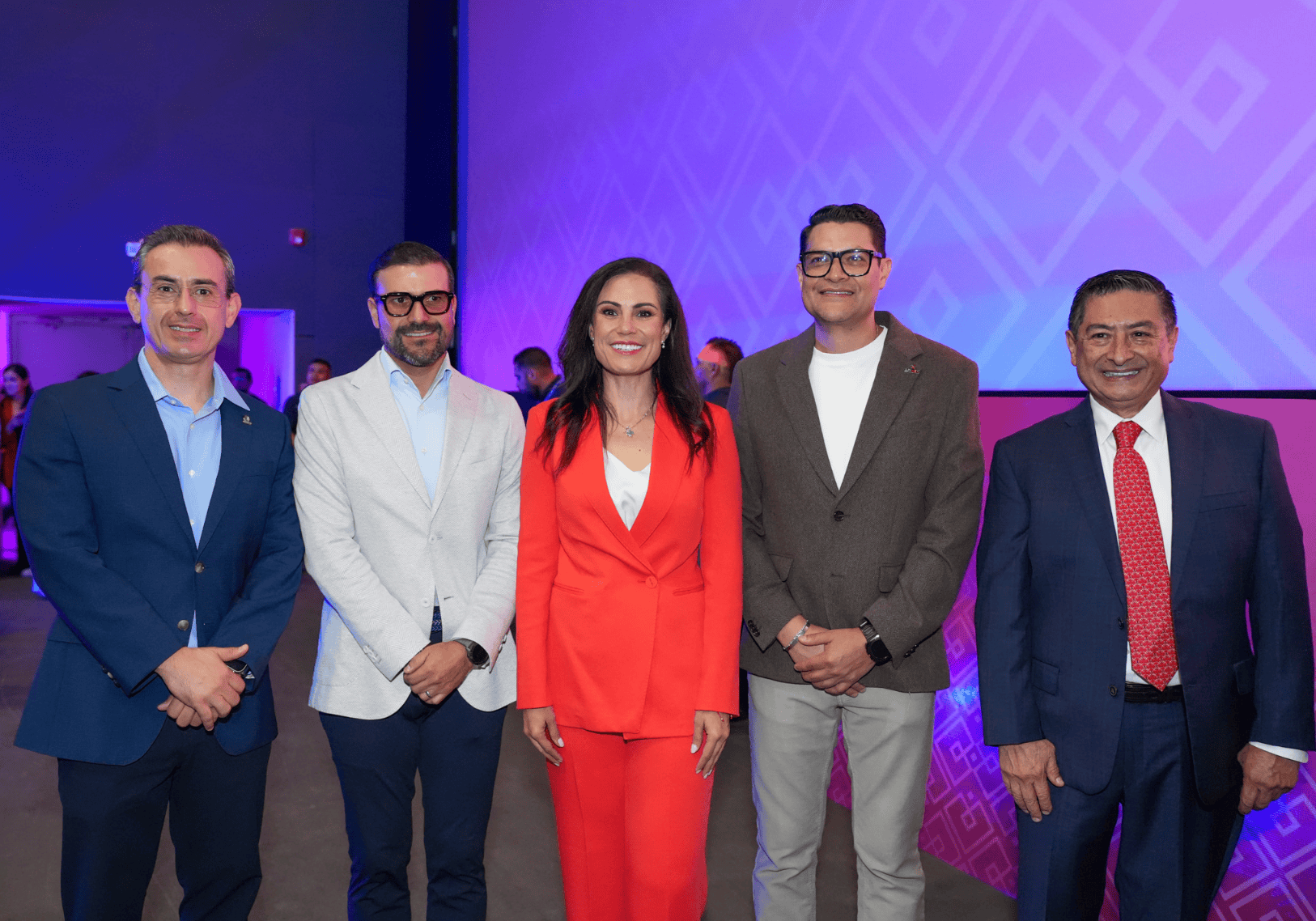
León becomes the meeting point this week for specialists in science, technology, education, and museums from different parts of the world, as it hosts the CIMUSET International Conference for the first time in America.
From September 28 to October 2, the Centro de Ciencias Explora is hosting the 53rd edition of this meeting, which brings together about 100 speakers and lecturers from more than 24 countries, as well as researchers, educators, students, teachers, and museum professionals.
The implementation of CIMUSET in León is part of the activities to mark the 450th anniversary of the city and represents an opportunity to bring the local community closer to international experiences, knowledge, and perspectives related to the challenges currently facing scientific dissemination.
Science, technology and education in the face of new challenges
Over five days, experts will share experiences and analyze the role museums and science centers play in the face of technological, environmental, and social changes.
Among the topics included in the program are artificial intelligence, climate change, scientific education, inclusion, citizen participation, heritage, and the development of new technologies.
CIMUSET is part of the International Council of Museums (ICOM) and serves as a space for collaboration between professionals from science and technology museums, with the aim of exchanging best practices, promoting scientific dissemination and contributing to the preservation of technological heritage.
Before arriving in León, the conference has been held in cities such as Dubai, Vienna, Kyoto and Seoul. The 2026 edition marks the first time this international meeting has taken place on the American continent.
During the inauguration, León’s municipal president, Ale Gutiérrez, highlighted the importance of the city hosting events that allow knowledge and education to reach more people.
For his part, David Novoa Toscano, president of the Board of Directors of the Explora Foundation, pointed out that bringing together specialists from different countries allows for the sharing of a vision in which science, technology, and education can contribute to the development of communities.
The president of ICOM International, Antonio Rodríguez, also highlighted some of the main challenges currently facing knowledge spaces, including the rapid advancement of new technologies, artificial intelligence, environmental problems, social inequalities, and the need to generate trust and dialogue.
Bringing knowledge closer to more families
The implementation of CIMUSET also coincides with various actions aimed at facilitating families’ access to educational, cultural and recreational spaces in the city.
Among them is Pásale Gratis, a program that allows free access to parks, sports facilities, museums and science centers on weekends, and which, according to municipal figures, has recorded more than 9.5 million visits. For the past year, the strategy has also included free transportation to facilitate travel to these spaces.
With the arrival of CIMUSET, Explora becomes, for five days, an international space for the exchange of ideas and experiences on how science can be communicated, taught, and made accessible to increasingly diverse audiences.
The presence of researchers, educators, and professionals from more than 24 countries also allows León to connect with international discussions on technology, innovation, and education, while bringing these topics closer to the city's students, teachers, and families.